

When an individual is undergoing chemotherapy treatment, a common side effect is the loss of taste, which often leads to loss of appetite and weight loss.
The American Cancer Society describes the problem as manifesting in several ways — from a lack of smell and aversion to certain odors to a metallic or bitter taste accompanying some foods — all of which can lead to undereating, weight loss and delayed healing.
Students in The Macpherson Lab at UT San Antonio aim to demystify this phenomenon and bring the medical community one step closer to helping chemotherapy patients eat and maintain proper nutrition throughout their treatment.
Working under the supervision of Associate Professor Lindsey Macpherson and doctoral student Ryan Wood , students working in The Macpherson Lab this summer gained firsthand research experience while trying to uncover the causes behind loss of taste during chemotherapy.
When patients are treated with chemotherapy drugs, it causes inflammation in the tongue and that leads to a lot of taste loss, says Victoria Valtr, an intern who worked in the lab.
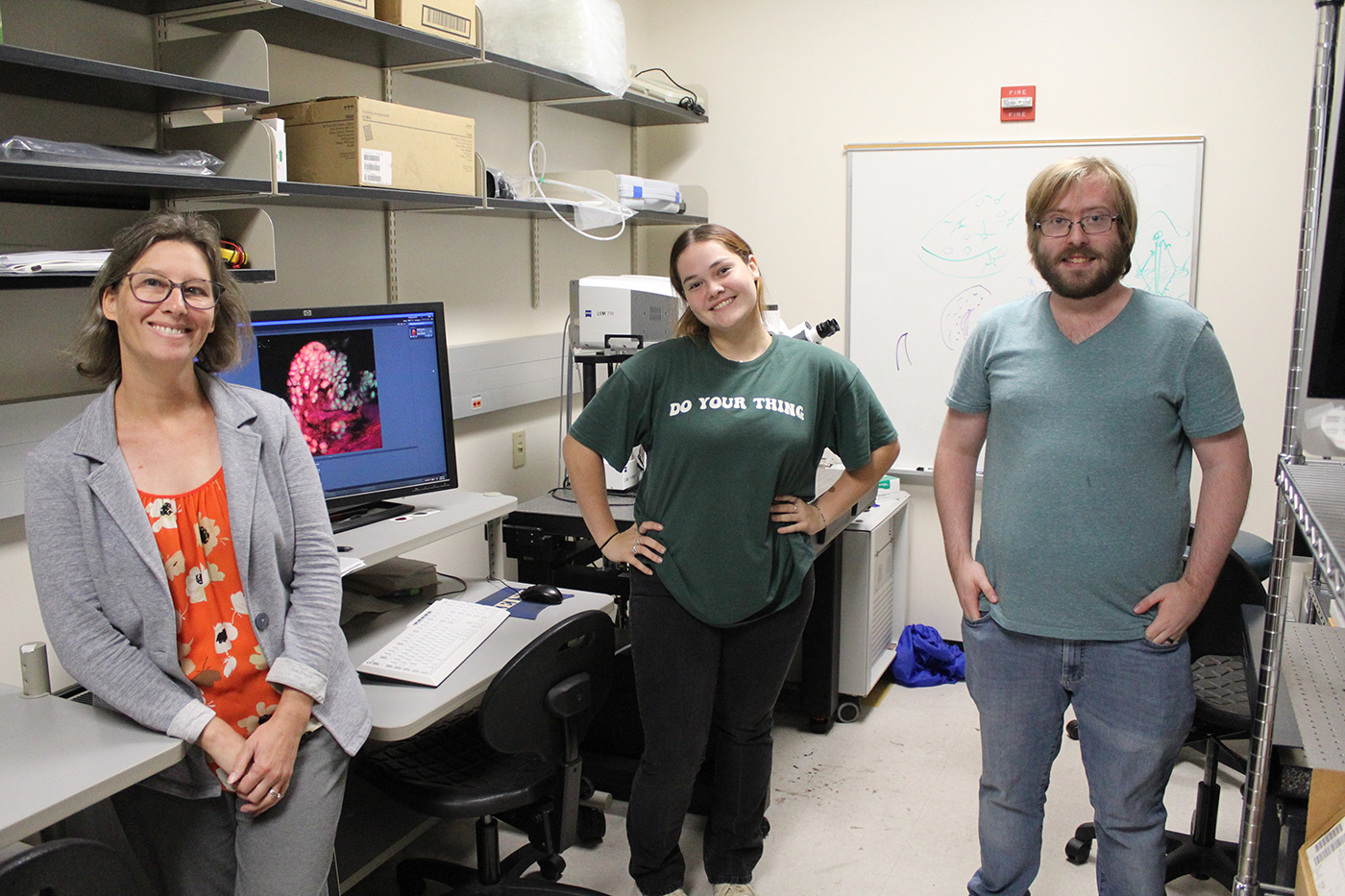
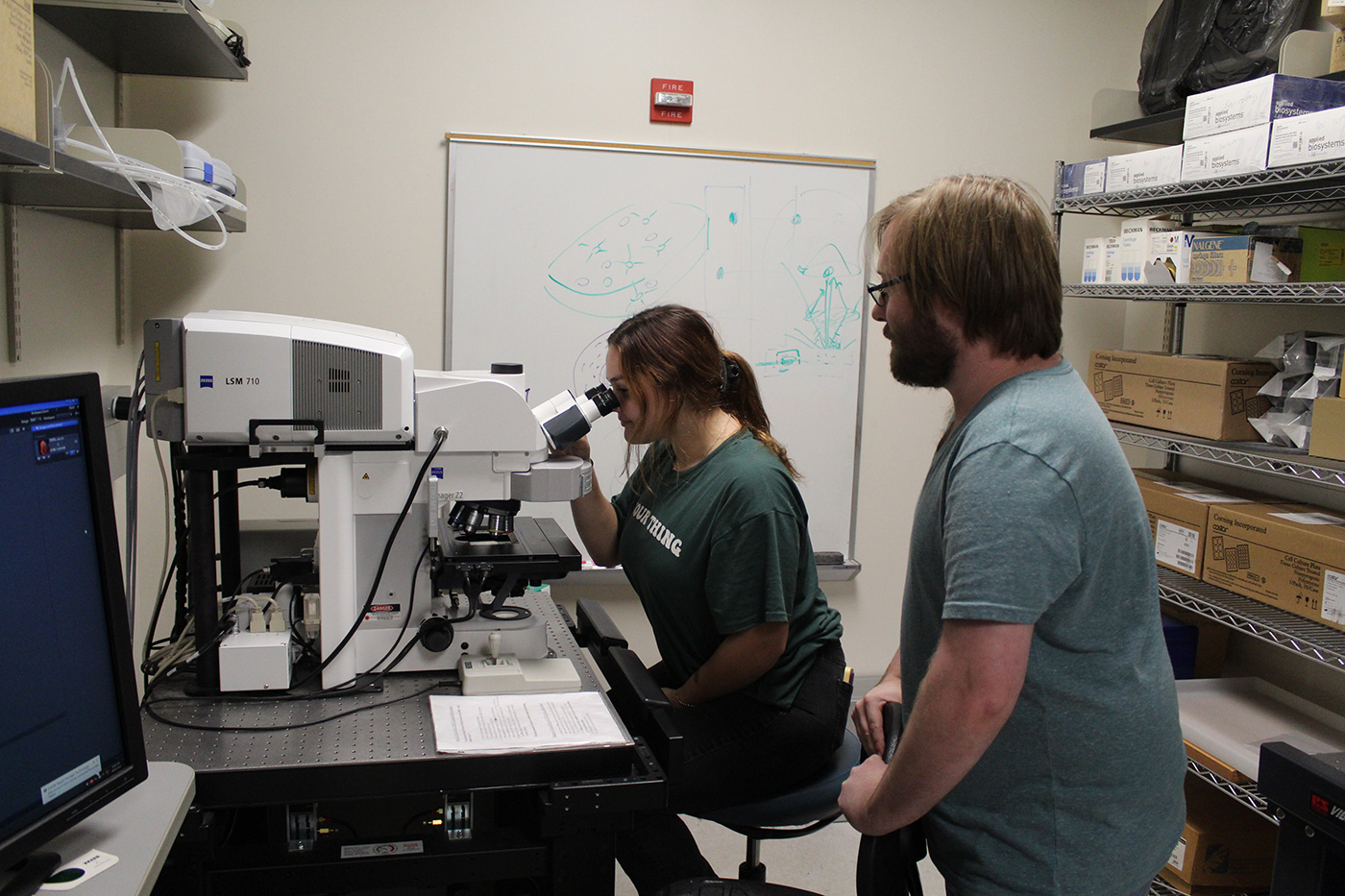
“We’re looking at how we can combat that,” Valtr says. “We want to understand how inflammation is changing [their sense of taste] and we want to find a workaround to get these chemotherapy patients to have all their taste buds restored, to be able to taste food again and to improve their quality of life.”
That is the ultimate goal of the project, she says. “But it starts on the molecular level, trying to understand the root cause of it.”
Valtr is a biochemistry student at Louisiana State University who began working in the Macpherson Lab in 2024 in the Prefreshman Research Experience (NPRE) program.
Housed in the UTSA College of Sciences, the NPRE program is designed to give recent high school graduates an opportunity to experience hands-on research on campus which serves as a prelude to their undergraduate studies.
Valtr’s first project focused on the molecular mechanisms behind loss of taste and how inflammation reduced the ability to taste through changes in a protein known as TNFα and its receptor, TNFR1.
This summer, Valtr shifted her focus to oxidative stress as a contributing factor to taste loss and looking at more than just the tongue. Oxidative stress is a type of damage that can occur in both cancerous and healthy tissue during chemotherapy.
“This time, we’re looking at the kidney, the liver and the brain to see the extent of oxidative stress and to try to understand how that may affect taste,” she says.
Valtr described the NPRE program as instrumental in boosting her confidence and preparedness for her first year of college.
“The first couple of weeks being in the lab, I had that imposter syndrome, feeling like I’m in a place where all of these people are way smarter than me,” she says. “But once you get out of your shell, it gets easier to say, ‘OK, if I want to become an expert on this topic, I can read a couple papers and start to understand.’ It becomes less intimidating.”
While Valtr worked in the Macpherson Lab until August 2025 and has returned to her home university, she hopes to return to the lab in future summers as she builds toward a career in biochemical research.

No comment yet, add your voice below!