

The University of Texas at San Antonio has been reclassified with the 2026 Carnegie Elective Classification for Community Engagement, reaffirming its national leadership in fostering meaningful partnerships that advance student success, research excellence and community impact.
UT San Antonio is among only 277 of more than 4,000 degree-granting institutions nationwide to earn the designation, which is awarded by the American Council on Education and the Carnegie Foundation for the Advancement of Teaching.
The designation recognizes colleges and universities for deep, sustained collaboration with their communities through initiatives grounded in reciprocity, mutual benefit and the public good.
“The university’s designation as a Carnegie Community Engagement institution affirms our deep commitment to intentionally creating opportunities that advance the trajectories of our students, their families and our community at large,” says UT San Antonio President Taylor Eighmy. “We are proud to serve as an anchor institution for our community, and our recent integration with UT Health San Antonio and launch as UT San Antonio will only further amplify the reach of this work to strengthen our ability to grow the knowledge economy, advance discovery and make lives better for all those we serve.”
First awarded the classification in 2015, the university’s reclassification reflects a decade of continued growth and investment in community-engaged teaching, research and service.
Though UT San Antonio has changed in many ways since 2015, the university’s commitment to the communities it serves has only grown stronger, driven in part by Eighmy’s strategic vision.
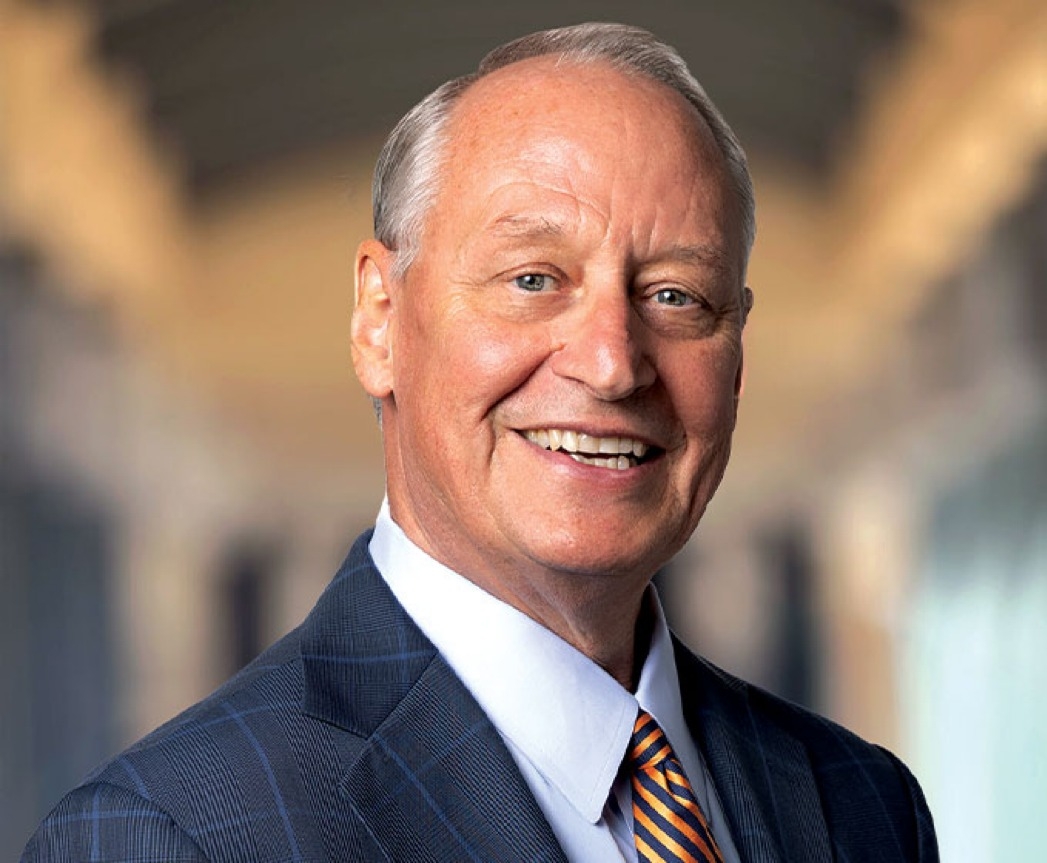
Deepening the university’s relationships with San Antonio and the greater South Texas region is a focus of that vision. Community engagement is embedded in the university’s strategic plan, ensuring sustainability, accountability and impact for generations to come.
A core team within Academic Affairs led the reclassification effort, which was spearheaded by the Center for Civic and Community-Engaged Leadership, in collaboration with stakeholders across the university.
During the 2024–2025 academic year, the team documented the university’s extensive engagement activities, which span academic programs, applied research, experiential learning and co-curricular experiences that connect students, faculty and staff with partners across education, healthcare, industry, government and nonprofit sectors.
Opportunities for students
Several initiatives, research projects and partnerships exemplify the university’s deep commitment to student learning and community impact.
The Classroom-to-Career Initiative is a university-wide effort to ensure 75% of students graduate with career-related experiences, including community-engaged learning.
The Westside Community Partnerships is a presidential initiative driving over 30 high-impact projects focused on education, housing, public health and economic development in historically underserved neighborhoods.
Community-embedded experiential learning programs connect UT San Antonio students with nonprofits, businesses and public agencies through initiatives such as Rowdy Corps Community Scholars, Citymester, Najim Strategists and the H-E-B Community Innovation Scholars.
These programs provide hands-on opportunities for students to apply academic knowledge to real-world challenges, strengthen workforce pipelines and deliver measurable impact for community partners.

For example, the Rowdy Corps Community Scholars program, which began with just 15 students, has grown to more than 60 participants annually, providing paid, community-based work-study placements with nonprofits and public agencies. Rowdy Corps scholars contributed more than 22,000 service hours in 2023 alone.
Founded in 2020, the College for Health, Community and Policy leads community-based research and policy innovation to improve health equity and social well-being. Through the Institute for Health Disparities Research, the college partners with local organizations to address healthcare access, mental health and chronic disease, while prepar
Advancing scholarship
Community-engaged learning is a key component of UT San Antonio’s student success strategy, ensuring that students graduate with the skills, experiences and civic awareness needed to thrive in a complex, interconnected world.
Faculty across disciplines integrate community-based research and experiential learning into curricula, advancing scholarship while addressing real-world challenges. A partnership between the Margie and Bill Klesse College of Engineering and Integrated Design and The DoSeum is one example.
The partnership works to create immersive exhibits like the 4D Helicopter Experience as part of its Engineering Projects in Community Service (EPICS) curriculum. Through EPICS courses, students work as professionals with community partners to design, build, and maintain systems that address project-based challenges.
Regional support
The university’s commitment to community engagement is reinforced by strong regional support.
In its most recent capital campaign, the university surpassed its $500 million goal two years earlier than expected, signaling broad confidence in the university’s mission and role in advancing student success, research excellence and community impact.
Also of note is UT San Antonio’s growing downtown presence which strengthens engagement with the city’s business, technology and research sectors, reinforcing its role as a regional anchor institution.
The university advances workforce training and lifelong learning through professional and continuing education, while the Valdez Institute for Economic Development drives economic growth through its 10 public service centers.
In 2024, the institute generated $1.8 billion in direct economic impact for the state of Texas by supporting over 46,000 businesses with free and low-cost services, including training, advising, mentoring, research as well as support for entrepreneurs, startups and small businesses.
APLU awards
In addition to the Carnegie Elective Classification for Community Engagement, UT San Antonio has earned the Innovation and Economic Prosperity University designation and IEP Place Award from the Association of Public and Land-grant Universities (APLU) for its community engagement efforts.
“This reclassification reflects the collective work of faculty, staff, students and community partners who make engagement a shared responsibility and a defining strength of UT San Antonio,” says Heather Shipley, provost and senior executive vice president for academic affairs. “By continuing to invest in our people and our partnerships, we strengthen student success and expand the university’s ability to serve the public good.”
The 2026 Carnegie Elective Classification for Community Engagement is valid through 2032.


